The Perception wars are being outflanked by cool heads who know the futility of participating in the culture wars.
You teach calm and focused problem solving and you have far less problems. That begins with high quality platforms and tools.

History
The Perception wars are being outflanked by cool heads who know the futility of participating in the culture wars.
You teach calm and focused problem solving and you have far less problems. That begins with high quality platforms and tools.
South Korea’s post‑war transformation—from one of the world’s poorest nations after the Korean War (1950‑1953) to a high‑income economy with a per‑capita GDP north of $30 000—is often called the Miracle on the Han River. In the early 1960s average per‑capita income was only $80‑$100; the country then sustained almost 9 % annual growth for several decades, making its development story one of the most remarkable in modern history.
| Driver | What Happened | Why It Mattered |
|---|---|---|
| 1. Authoritarian, Development‑Focused Leadership | President Park Chung‑hee (1961‑1979) launched a series of Five‑Year Economic Development Plans beginning in 1962. The state set clear industrial targets, offered subsidies, low‑interest loans, and tax breaks, and imposed strict performance standards. | Created a “developmental state” that could allocate resources efficiently and push rapid structural change. |
| 2. Export‑Oriented Industrialisation | Early reliance on import substitution shifted in the 1960s to export‑led growth. The won was devalued, export incentives were introduced, and firms were steered toward labour‑intensive goods such as textiles and footwear. | Earned foreign exchange, raised competitiveness, and forced firms to meet international quality standards. |
| 3. Support for Chaebols | Large family‑owned conglomerates (Samsung, Hyundai, LG, etc.) received cheap credit, protection from foreign competition, and lucrative government contracts in exchange for investing in priority sectors. | Enabled economies of scale, accelerated industrialisation, and built globally competitive firms—though it also concentrated economic power. |
| 4. Massive Investment in Human Capital | The government expanded primary, secondary, and technical education, driving literacy to near‑universal levels and producing a skilled workforce. | Provided the talent pool needed for the shift from agriculture to manufacturing and later to high‑tech industries. |
| 5. Heavy‑Industry & Infrastructure Push | The 1970s “Heavy and Chemical Industry Drive” targeted steel, petrochemicals, machinery, shipbuilding, and electronics, while massive road, port, and power‑plant construction was financed largely through foreign loans. | Built the physical backbone for advanced manufacturing and export capacity. |
| 6. External Support & Geopolitics | • U.S. aid – over $119 bn (military + economic) <br>• Japan‑Korea normalization (1965) – $800 m in aid and technology transfer <br>• Remittances from Korean workers abroad (Vietnam, Middle East) <br>• Cold‑War alignment guaranteeing continued Western backing | Supplied essential capital, technology, and market access during the early stages of development. |
| Period | Main Focus | Outcomes |
|---|---|---|
| 1950s | Post‑war reconstruction, heavy reliance on U.S. aid | Modest growth (~4 % p.a.), widespread poverty |
| 1960s (1st–2nd Plans) | Light‑industry exports (textiles, footwear, wigs) | GDP growth 8‑10 %; exports rose from $55 m (1962) to >$100 bn by the 1990s |
| 1970s (3rd–4th Plans) | Heavy/chemical industries (steel, ships, automobiles) | Double‑digit growth; chaebols expanded dramatically |
| 1980s onward | High‑tech sectors (electronics, semiconductors) | OECD membership (1996); global leadership in technology |
While the model delivered spectacular economic gains, it also produced notable downsides:
Nonetheless, these trade‑offs laid the groundwork for today’s innovation‑driven, knowledge‑based economy.
South Korea’s experience illustrates how a coordinated mix of strong state direction, export orientation, human‑capital investment, and strategic external partnerships can propel a resource‑poor nation into the ranks of high‑income economies. The lesson for other developing countries is that focused government intervention—when paired with openness to global markets and a commitment to education—can accelerate catch‑up growth dramatically.
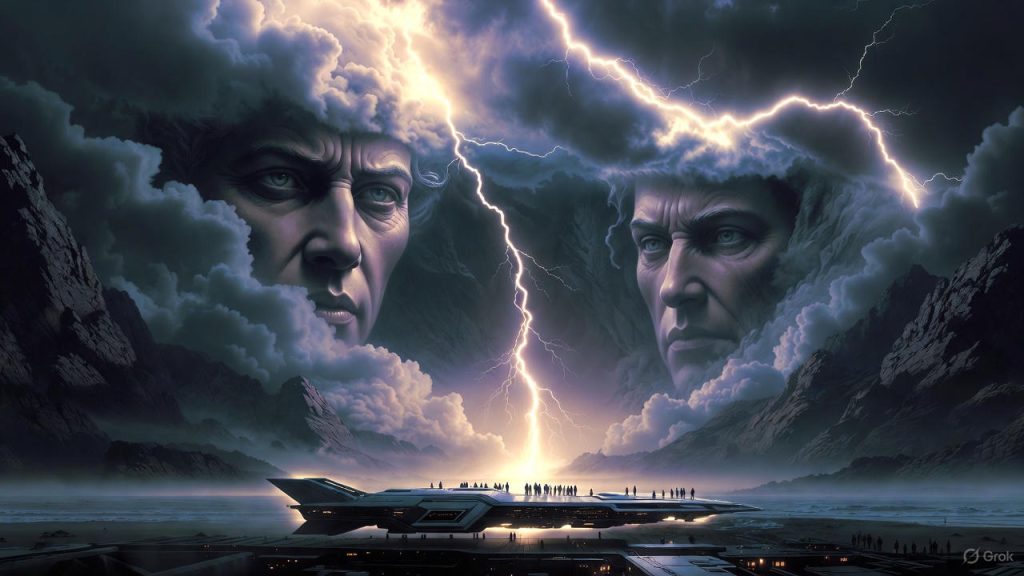
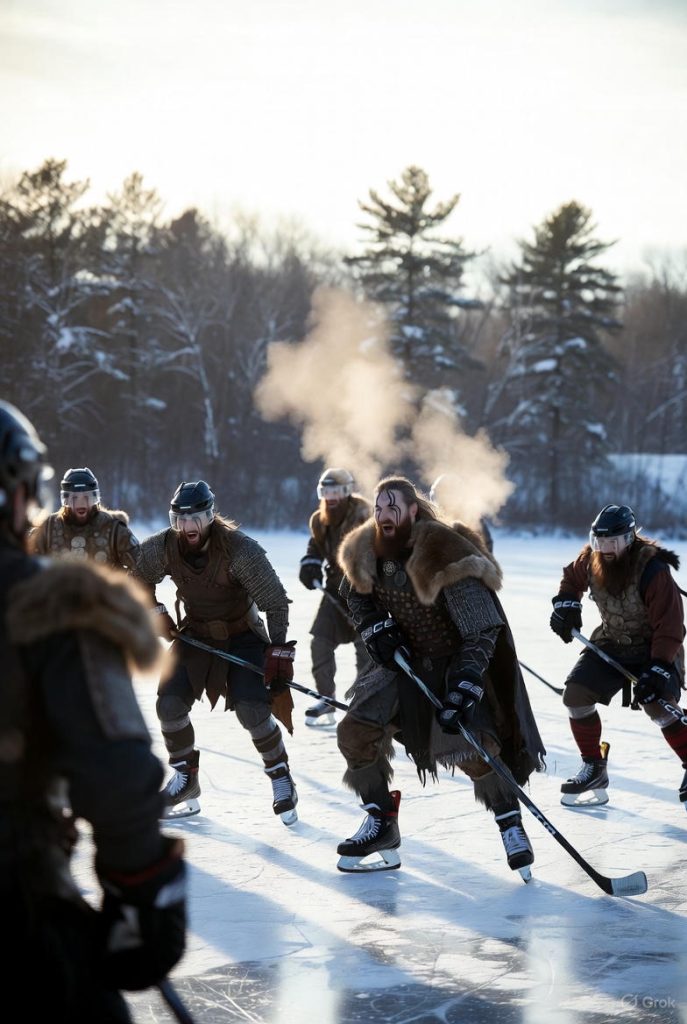
The Viking Cycle of Hamingja: Rise and Fall in the Sagas of the North. In the frozen fjords and storm-tossed seas of the Norse world, there is no desert—but there is the harsh edge: the wind-bitten coasts, the unforgiving waves, the thin soil of Norway and the wild Atlantic islands. Here, clans forged a force akin to asabiyyah, called hamingja—the inherited luck, the shared fortune of the kin, the unbreakable oath-bond that turned scattered households into dragon-prowed warbands capable of shaking kingdoms.
Hamingja is no fleeting chance. It is the clan’s vital fire: the collective courage, honor, and fate-weaving that binds brothers-in-arms. Strong hamingja brings victory, rich plunder, and lasting fame in the sagas. Weak hamingja brings nithing-status, exile, and the cold grave. Like Khaldun’s group feeling, it is born in hardship, peaks in conquest, and fades in luxury—only to be reborn in fresh clans from the margins.Being in Vik is like being in a Saga.- Freevikings.com

freevikings.com es un sitio simple, con mucho texto y un pequeño número de artículos en profundidad (alrededor de 6-7 visibles), que mezcla contenido gratuito y protegido por contraseña sobre temas como geopolítica, economía, explicaciones de negocios/tecnología, finanzas y críticas culturales. Los artículos son bien investigados, estructurados (con listas, tablas, subsecciones) y de formato largo (1.000-3.000+ palabras), priorizando la profundidad analítica sobre el volumen.
Dado que asumimos que todo se paga —incluyendo desarrollo profesional y contenido de alta calidad subcontratado—, los costos aumentan significativamente por contratar redactores expertos en no ficción investigada en nichos complejos (ej. economía/geopolítica). Aquí va un desglose realista para 2025 en euros (basado en tarifas freelance en España y Latinoamérica):
| Componente | Estimación baja | Estimación media | Estimación alta | Notas |
|---|---|---|---|---|
| Nombre de dominio | 10–20 €/año | 10–20 €/año | 10–20 €/año | A través de registradores como Namecheap o GoDaddy. |
| Hosting | 100–300 €/año (compartido/VPS) | 300–600 €/año (VPS gestionado) | 600–1.200 €/año (gestionado premium) | Suficiente para sitio de bajo tráfico; ej. Ghost(Pro) o similar desde ~100–500 €/año. |
| Construcción/Diseño del sitio | 1.000–3.000 € (freelancer, tema WordPress/Ghost) | 3.000–8.000 € (diseño personalizado) | 8.000–15.000 € (agencia personalizada) | Incluye protección por contraseña simple (nativa en Ghost o plugins). No se necesitan funciones complejas. |
| Configuración de protección por contraseña | Incluido en la construcción | Incluido | Incluido | Contraseñas básicas por página o sección. |
| Contenido inicial (10 artículos largos de alta calidad) | 5.000–10.000 € | 10.000–20.000 € | 20.000–40.000+ € | Gasto principal: 500–4.000 € por artículo para no ficción investigada experta (ej. 0,08–0,15 €/palabra o 1.000–3.000 € fijo para piezas profundas en economía/geopolítica). Asume 2.000–3.000 palabras cada uno. |
| Contenido adicional (continuo, ej. 12 artículos/año) | 6.000–12.000 €/año | 12.000–24.000 €/año | 24.000–50.000+ €/año | Para mantener/crecer el sitio; tarifas altas por escritura especializada y basada en datos. |
| Edición/Corrección | 500–2.000 € inicial | 2.000–5.000 € inicial | 5.000+ € inicial | Opcional pero recomendado para calidad. |
| SSL, Mantenimiento, Herramientas | 100–500 €/año | 500–1.000 €/año | 1.000–2.000 €/año | Copias de seguridad, actualizaciones, herramientas SEO básicas. |
La mayor variable es el contenido: artículos largos investigados de alta calidad en nichos como geopolítica o economía exigen tarifas premium (500–3.000+ € por pieza de freelancers experimentados en plataformas como Upwork o redes especializadas). El valor del sitio radica casi enteramente en esta profundidad; si se escatima aquí, no coincidirá con el atractivo del original.
Para un modelo similar sin suscripciones completas (como el de contraseñas), plataformas como Ghost son ideales (configuración simple, niveles pagos nativos si expandes después, ~100–500 €/año alojado). Empieza pequeño: contrata 5–10 artículos para probar, luego escala. Pide presupuestos a freelancers especializados en no ficción/economía para un cálculo preciso.
freevikings.com is a simple, text-heavy site with a small number of in-depth articles (around 6-7 visible pieces), mixing free and password-protected content on topics like geopolitics, economics, business/technology explanations, finance, and cultural critiques. The articles are well-researched, structured (with lists, tables, subsections), and long-form (1,000-3,000+ words each), emphasizing analytical depth over volume.
Since you’re assuming everything is paid for—including professional development and high-quality outsourced content—costs rise significantly due to hiring expert writers for researched nonfiction in complex niches (e.g., economics/geopolitics). Here’s a realistic 2025 breakdown:
| Component | Low-End Estimate | Mid-Range Estimate | High-End Estimate | Notes |
|---|---|---|---|---|
| Domain Name | $10–20/year | $10–20/year | $10–20/year | Standard via Namecheap/GoDaddy. |
| Hosting | $100–300/year (shared/VPS) | $300–600/year (managed VPS) | $600–1,200/year (premium managed) | Sufficient for low-traffic site; e.g., Ghost(Pro) or similar starts ~$100–500/year. |
| Website Build/Design | $1,000–3,000 (freelancer, WordPress/Ghost theme) | $3,000–8,000 (custom design) | $8,000–15,000 (agency-level custom) | Includes simple password protection (native in Ghost or plugins). No complex features needed. |
| Password Protection Setup | Included in build | Included | Included | Basic per-page passwords or membership tier. |
| Initial Content (10 high-quality long-form articles) | $5,000–10,000 | $10,000–20,000 | $20,000–40,000+ | Core expense: $500–4,000 per article for expert-researched nonfiction (e.g., $0.50–$1.50/word or $1,000–3,000 flat for in-depth pieces in economics/geopolitics). Assumes 2,000–3,000 words each. |
| Additional Content Creation (ongoing, e.g., 12 articles/year) | $6,000–12,000/year | $12,000–24,000/year | $24,000–50,000+/year | To maintain/grow the site; high rates for specialized, data-driven writing. |
| Editing/Proofreading | $500–2,000 initial | $2,000–5,000 initial | $5,000+ initial | Optional but recommended for quality. |
| SSL, Maintenance, Tools | $100–500/year | $500–1,000/year | $1,000–2,000/year | Backups, updates, basic SEO tools. |
The biggest variable is content: High-quality, researched long-form in niches like geopolitics or economics commands premium rates ($500–$3,000+ per piece from experienced freelancers on platforms like Upwork or specialist networks). The site’s value lies almost entirely in this depth—if you skimp here, it won’t match the original’s appeal.
For a closer match without full subscriptions (like the password model), platforms like Ghost are ideal (simple setup, native paid tiers if you expand later, ~$100–500/year hosted). Start small: Hire 5–10 articles to test, then scale. Get quotes from freelancers specializing in nonfiction/economics for accurate budgeting.
Corporate portals—also known as enterprise portals or intranets—are indeed complex systems, and for good reason.
They serve as centralized, secure web-based platforms (often internal intranets) that aggregate information, tools, applications, and resources for employees, and sometimes extend to partners or customers via extranets. Key functions include:
Popular examples include Microsoft SharePoint, SAP Enterprise Portal, or custom solutions on platforms like LumApps.
The complexity stems from their ambitious goal: simplifying a company’s chaotic digital ecosystem while handling real-world enterprise challenges. Here’s why they often become intricate:
Despite this, the payoff is huge: reduced workflow friction, better collaboration, higher productivity, and a “single source of truth.” Modern tools (low-code platforms, AI-driven search) are making them less daunting to build and manage.
If you’re dealing with one (building, fixing, or frustrated by yours), what’s the specific pain point?
MwTyler.Pocketcomputer.net
México frente a la guerra arancelaria de EE. UU. en 2025
Fecha: 11 de diciembre de 2025
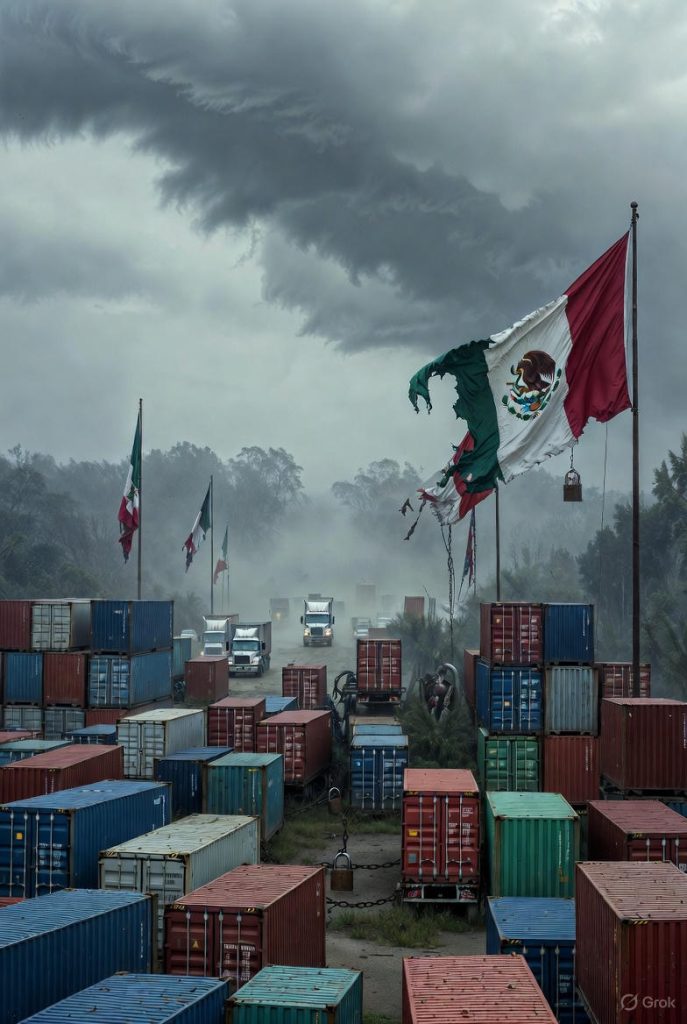
A partir de febrero de 2025, el presidente estadounidense Donald Trump reactivó aranceles del 25 % sobre productos mexicanos y canadienses que no estaban cubiertos por el Tratado entre México, Estados Unidos y Canadá (T‑MEC). La medida, presentada como presión por la migración y el tráfico de fentanilo, se aplicó en abril a sectores estratégicos como acero, aluminio, automóviles y otros bienes manufacturados.
Aunque se concedieron extensiones temporales —por ejemplo, 90 días adicionales en agosto tras un acuerdo de seguridad con la gobernadora de México, Claudia Sheinbaum— los aranceles permanecen vigentes y han generado un fuerte impacto en la balanza comercial bilateral. México, principal socio comercial de EE. UU. con un flujo anual superior a 839 mil millones de USD, absorbe directamente el aumento de costos.
En respuesta, el Senado mexicano aprobó aumentos arancelarios a importaciones procedentes de Asia (hasta 50 % en plásticos y juguetes) con el objetivo de proteger la producción nacional. Estas decisiones se tomaron sin estudios de impacto exhaustivos, lo que ha suscitado críticas por falta de transparencia.
Los efectos combinados de los aranceles están desplazando el equilibrio económico de la región:
Expertos de instituciones como CETYS recomiendan:
Sin embargo, como señalan analistas en redes sociales, la escalada de una guerra económica puede traducirse en tensiones políticas mayores.
México está pagando un alto precio: recesión, mayor inflación y volatilidad en los mercados internos. No obstante, la combinación de acuerdos temporales y una estrategia de diversificación le brinda tiempo para reorientar su modelo productivo y fortalecer la autosuficiencia. El desafío para 2026 será transformar la presión arancelaria en una oportunidad para reducir la dependencia del “gigante del norte” y consolidar nuevas rutas comerciales.
¡Claro! Me encantaría ayudarte a pulir cada detalle para que esa noche sea absolutamente inolvidable. Aquí tienes algunas ideas adicionales y opciones que pueden darle un toque aún más mágico y personalizado a tu propuesta.
| Momento | Idea | Por qué funciona |
|---|---|---|
| Llegada | Crea una pequeña “ruta de recuerdos” con fotos impresas en mini‑formato colocadas en marcos de madera o cuerdas con luces de hadas. Cada foto puede ir acompañada de una breve nota que describa el recuerdo asociado. | Cada paso revive momentos especiales y genera anticipación. |
| Mesa | Usa una mantelería de lino natural con un leve tono pastel y coloca bajo los platos pequeñas tarjetas de “cita” (por ejemplo, “Nuestro primer beso”, “La primera vez que reímos juntos”). | Añade un elemento sorpresa sin interrumpir la cena. |
| Iluminación | Alterna velas reales con velas LED de larga duración para evitar que se apaguen. Coloca una lámpara de proyección que proyecte estrellas o constelaciones en el techo o la pared. | Crea una atmósfera de “cielo estrellado” incluso si la cena es de día o en interior. |
| Música | Prepara una playlist que cuente una historia: empieza con canciones que marcaron los primeros meses, pasa a temas que representan momentos importantes y culmina con la canción que será el “tema” de la propuesta. | La música guiará emocionalmente la velada. |
Tip: Si decides esconder el anillo, hazlo en una caja de terciopelo que llegue sobre una bandeja junto al postre, o bien pide al camarero (si contratas servicio) que lo entregue al final del último bocado.
| Lugar | Ventajas | Ideas extra |
|---|---|---|
| Azotea con vista a la ciudad | Panorama nocturno, sensación de estar “sobre el mundo”. | Contrata a un fotógrafo para capturar la silueta de la ciudad mientras haces la propuesta. |
| Jardín botánico | Entorno natural, flores y aromas. | Reserva una zona privada y lleva una carpa ligera con luces colgantes. |
| Bodega de vinos | Ambiente íntimo, posibilidad de maridar con vinos exclusivos. | Organiza una degustación guiada antes de la cena y termina con una botella personalizada con vuestra fecha. |
| Casa flotante o barco | Sensación de movimiento, agua como elemento romántico. | Programa la propuesta al atardecer, cuando el cielo refleje tonos dorados en el agua. |
Para afinar aún más el plan, cuéntame:
Con esas respuestas podré ofrecerte un itinerario detallado, sugerencias de proveedores locales (catering, músicos, fotógrafos) y una lista de compras exacta.
¡Estoy aquí para que ese “sí” sea exactamente como lo imaginas! 🌹💍✨