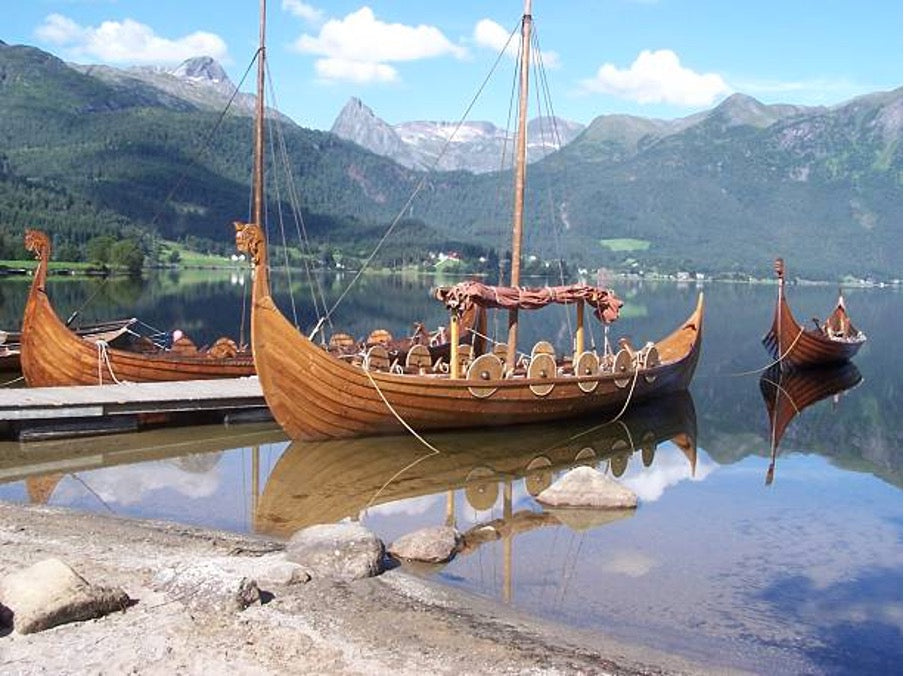
M.W. Tyler Digital | Free Viking is a personal blog hosted at mwtyler.pocketcomputer.net, focusing on insights into digital content creation, technology trends, and philosophical reflections on modern life. Created by M.W. Tyler, the site features a mix of English and Spanish posts dated throughout 2025, emphasizing the creator economy, platform profitability, cybersecurity, social media’s societal effects, and strategies for managing attention in a digital world.
Purpose and Themes
The blog serves as a platform for M.W. Tyler to analyze economic aspects of online content platforms, promote innovative alternatives, and offer advice on navigating uncertainties in tech and culture. Key themes include:
Creator Economy: Discussions on revenue models, with a promotional angle for a new platform that claims to offer creators over 80% payouts—higher than competitors like OnlyFans (20% commission), YouTube, Patreon, and others.
Tech and Society: Explorations of cybersecurity market growth (projected to $376 billion by 2029), social media’s role in polarization and mental health, and the “attention economy” as a critical asset.
Philosophy: Quotes and reflections from M.W. Tyler, such as “Bold living requires personal exposure to life’s uncertainties” and tips on focusing on long-term trends over daily noise.
Key Posts
Here are summaries of the main sections/posts:
ONLYFANS is highly profitable (Oct 3, 2025): Breaks down OnlyFans’ financials, including a table showing gross revenue rising to $7.22 billion in 2024, with factors like low operational costs and 4+ million creators driving success.
Ahora Tengo mi propia plataforma… (Aug 23, 2025): Details a new creator platform’s advantages, such as diverse monetization (tips, crypto), ease of use, and strategies to outpace giants like TikTok and Twitch.
Cybersecurity (Aug 15, 2025): Highlights the booming market and opportunities in remote work.
El Impacto (Aug 15, 2025): Examines social media’s dual effects on identity, misinformation, and collective action in 2025.
Tu Attencion (Aug 15, 2025): Advises protecting attention amid AI and cultural shifts.
M.W. Tyler (Aug 2, 2025): An intro post with philosophical quotes on execution and the status quo.
The site uses structured formats like tables, lists, and external citations (e.g., Statista, Variety) for depth, making it a blend of analysis and promotion. It’s a niche resource for creators and tech enthusiasts interested in bold, practical takes on the digital landscape.
People define themselves by what they consume rather than by what they have seen and experienced.
That observation touches on a classic tension between identity and experience.
On one hand, consumption—whether of media, products, or cultural symbols—offers a set of readily recognizable markers. Brands, playlists, streaming‑service subscriptions, or even the latest tech gadget can act as shorthand: “I’m a Spotify listener,” “I drive an electric car,” “I’m into indie cinema.” Those signals are easy for others to read and for us to adopt, so they often become a convenient way to signal belonging to a particular community or lifestyle.
On the other hand, what we’ve actually seen and lived through tends to be messier, less quantifiable, and harder to convey in a quick exchange. Experiences shape our values, empathy, and worldview, but they don’t always translate into tidy labels. Two people might have watched the same documentary, yet walk away with very different interpretations because their prior experiences filter the meaning they extract.
The emphasis on consumption can therefore be both practical and limiting:
Practical – It lets us navigate social spaces quickly. In a world saturated with choices, aligning ourselves with recognizable brands or trends helps us find peers and signal common ground without lengthy explanations.
Limiting – It risks reducing a person to a checklist of possessions or subscriptions, obscuring the depth of their lived experiences. When identity is framed primarily by what we own or stream, we may overlook the richer stories that come from travel, relationships, failures, or moments of quiet reflection.
Philosophers such as Sartre and Heidegger warned against letting external “objects” define us, arguing that authentic selfhood emerges from our actions and choices rather than from the things we accumulate. Contemporary sociologists echo this, noting that consumer culture can foster a kind of “performative identity” where the outward display matters more than the inner narrative.
So, while consumption provides a useful shortcut for social signaling, it’s worth remembering that the fuller picture of who we are lies in the mosaic of experiences that can’t always be packaged into a brand logo or a playlist title. Balancing the two—recognizing the role of shared symbols while also valuing the depth of personal experience—can lead to a more nuanced sense of self and a richer dialogue with others.
Below is a complete “Tao Boho Traveler” lifestyle guide that translates the metaphorical transformation into concrete, everyday choices. Each category is framed around three guiding principles:
Fluidity & Minimalism – Keep the core, let the excess flow away.
Eastern Serenity – Infuse Taoist calm, mindfulness, and natural rhythm.
Bohemian Wanderlust – Celebrate curiosity, handcrafted culture, and open‑road freedom.
1. Music – Soundtrack for the River
Mood / Activity
Suggested Artists / Albums
Why it fits
Morning meditation / sunrise
Anoushka Shankar – “Land of Gold”; Kitarō – “Silk Road”
Gentle sitar, ambient textures that echo the flowing river.
Groovy beats with world‑instrumentation keep the pulse steady without demanding attention.
Evening campfire
Fleet Foxes; José González; Mitski – “Be the Cowboy”
Acoustic, lyrical storytelling that feels intimate and grounded.
Deep focus / journaling
Nujabes – “Modal Soul”; Brian Eno – “Ambient 1: Music for Airports”
Minimalist hip‑hop jazz and ambient drones promote flow state.
Celebratory gatherings
Shpongle (psytrance‑world fusion); Altın Gün (Turkish‑psychedelic)
Energetic cross‑cultural grooves that invite dancing while staying organic.
Tip: Curate a rotating playlist of ~30‑minute “river sets” that start slow, build gently, then taper back to silence—mirroring the Taoist concept of wu‑wei (effortless movement).
Vegan leather desert boot or minimalist trail shoe
Slip‑on, durable sole, breathable lining
Native Shoes, Allbirds Tree
Accessories
Jade or obsidian pendant; wooden bracelet; reusable metal straw
Symbolic (Tao), sustainable, tactile reminder of the journey
Ethical jewelry shops, local craft bazaars
Styling rule: Stick to a capsule wardrobe of ~10 pieces that mix‑and‑match effortlessly. Choose items that fold compactly, dry quickly, and age gracefully—so the clothing itself becomes part of the evolving story.
3. Movies & Series – Visual Stories of Flow & Freedom
Title
Genre / Theme
Why it resonates
“Baraka” (1992)
Documentary, visual poetry
No dialogue; pure imagery of nature, rituals, and human movement—mirrors the silent river.
“The Secret Life of Walter Mitty” (2013)
Adventure‑drama
A modern wanderer trading office monotony for global exploration.
“Spring, Summer, Fall, Winter… and Spring” (2003)
Korean art film, Buddhist allegory
Seasonal cycles and a monk’s life illustrate Taoist harmony.
“Chef” (2014)
Culinary road‑trip comedy
Food as a vehicle for connection, improvisation, and cultural exchange.
“Wild” (2014)
Biopic, solo hike
Physical endurance and introspection on the Pacific Crest Trail.
“Midnight Diner: Tokyo Stories” (Series)
Anthology, slice‑of‑life
Small, intimate setting where strangers share meals and stories—emphasizes community in transience.
“Into the Wild” (2007)
Drama, true story
The ultimate rejection of material identity for raw nature immersion.
Viewing habit: Pick one “river‑themed” film per month and journal a single line about how its pacing or visual language influences your own daily flow.
Black sesame ice cream; warm sweet potato purée with a drizzle of honey.
Mindful tip: Practice hara (centered breathing) before each meal, treating eating as a moving meditation. Choose locally sourced, seasonal produce whenever possible to stay connected to the land you travel through.
5. Literature & Poetry – Texts that Echo Flow
Book / Author
Format
Core Message
“Tao Te Ching” – Lao‑zi
Translation (e.g., D.C. Lau)
Foundations of effortless action, humility, and natural order.
“The Art of Travel” – Alain de Botton
Essay collection
Philosophical reflections on why we travel and what we seek.
“On the Road” – Jack Kerouac
Novel
Beat‑generation quest for freedom, spontaneous journeys.
“The Book of Tea” – Kakuzo Okakura
Short treatise
Tea ceremony as a micro‑cosm of Taoist aesthetics.
“The Alchemist” – Paulo Coelho
Novel
Personal legend, listening to the heart, following omens.
Poetry of Rumi & Hafiz
Translations
Mystical love, surrender to the divine flow.
“Wild” – Cheryl Strayed (memoir)
Memoir
Healing through physical pilgrimage and confronting inner wilderness.
Reading habit: Carry a small, weather‑proof notebook; copy a favorite line each day and reflect on how it applies to that day’s experience.
6. Art & Decor – Spaces that Invite Flow
Element
Description
Placement Idea
Bamboo wind chimes
Soft, resonant sounds when breezes pass
Near windows or balcony to remind of impermanence.
Hand‑painted mandala tapestries
Circular patterns symbolizing unity
Above a meditation corner or sleeping area.
Terracotta pottery
Earthy vessels for tea, herbs, or dried flowers
Open shelves for functional beauty.
Miniature bonsai or potted succulents
Living symbols of patience and growth
Desk or bedside table.
Reclaimed wood wall art
Abstract river‑flow silhouettes
Main wall opposite the bed, creating a focal point.
Travel‑collected postcards
Curated map of places visited, displayed in a corkboard grid
Creates a visual narrative of the journey.
Incense or essential oil diffuser (sandalwood, cedar)
Aromatic grounding
During meditation or reading sessions.
Design tip: Keep interiors ** uncluttered**; each object should have a purpose or a story, reinforcing the minimal‑yet‑rich aesthetic.
7. Travel Philosophy & Practical Tips
Aspect
Guideline
Mode of transport
Favor low‑impact options: trains, shared rides, bicycles, walking. When flying, choose direct routes and offset carbon emissions.
Duration
Opt for slow travel: spend weeks, not days, in a region to absorb rhythms.
Accommodation
Stay in eco‑lodges, guesthouses, or homestays that encourage cultural exchange.
Local immersion
Participate in community workshops (e.g., pottery, tea ceremony, traditional cooking).
Digital minimalism
Limit device usage to essential navigation and communication; keep a paper journal.
Rituals on the road
Begin each day with a 5‑minute breath practice; end with a gratitude note about the day’s flow.
Pack list
1‑2 versatile shirts, 1 pair of convertible pants, 1 lightweight jacket, 1 scarf, 1 reusable water bottle, 1 compact journal, 1 set of reusable utensils, 1 small first‑aid kit.
Quick “Starter Kit” Checklist
Category
Items to Acquire Now
Music
Create a 4‑hour “River Flow” playlist on your preferred streaming service.
Clothing
Purchase one high‑quality linen shirt, one organic cotton tee, and a packable down vest.
Film
Add “Baraka” and “Spring, Summer, Fall, Winter… and Spring” to your watchlist.
Food
Stock pantry with millet, miso paste, dried seaweed, and matcha powder.
Drink
Buy a small bottle of Junmai Daiginjo sake and a kombucha starter kit.
Books
Get a paperback of the Tao Te Ching (translation you like) and The Art of Travel.
Art
Hang a bamboo wind chime near a window.
Travel
Research one slow‑travel destination (e.g., Luang Prabang, Laos) and plan a 2‑week itinerary focusing on community workshops.
Final Thought
The Tao Boho Traveler isn’t just a fashion statement—it’s a living practice of letting go while holding on to the essence of curiosity, simplicity, and mindful presence. By aligning music, clothing, media, cuisine, literature, art, and travel habits with the three pillars of fluidity, serenity, and wanderlust, you create a lifestyle where every choice feels like a gentle ripple in the same river that carries you forward. Enjoy the journey, and let the river be your guide.
Here’s a cleaned‑up, more readable version of your introduction and thematic collection of Emirati proverbs. I’ve tightened the prose, standardized the tables, and smoothed the transitions while preserving all of the original content and citations.
Introduction to UAE Philosophical Proverbs
Emirati proverbs—rooted in the UAE’s Bedouin heritage, desert life, and Islamic tradition—are concise vessels of wisdom passed down orally through generations. They reflect the resilience, hospitality, and philosophical outlook of Emirati society, drawing on pre‑oil experiences, Qur’anic verses, and Hadiths. Themes such as patience, divine justice, community, and self‑reliance recur throughout.
Key cultural collections illustrate this richness:
Al‑Muwassaf by Abdullah Hamdan Bin Dalmook compiles more than 500 proverbs, describing them as “the lungs from which heritage breathes.”
Popular Proverbs: An Entrance to Emirati Culture by Nasser Isleem frames these sayings as a “unique perspective on the beliefs and values shared among Arabs,” blending humor, caution, and moral guidance.
Philosophically, UAE proverbs explore human impermanence (like shifting desert sands), the folly of excess, and trust in fate or God. They invite introspection and harmony with one’s environment and society.
Modern Emirati voices—e.g., the reflective Instagram posts of @2BUZAYED—continue to weave this wisdom into patriotic and spiritual commentary.
Below is a curated selection of notable proverbs, grouped thematically, with Arabic originals (where available), transliterations, English translations, and brief interpretations.
Themes and Selected Proverbs
1. Divine Justice and Patience (العدل الإلهي والصبر)
Arabic
Transliteration
Translation
Interpretation
لا تُرهق نفسك بالانتقام، فإن الله سيأخذ حقك دون جهد منك.
Do not tire yourself with revenge, for God will take your right without effort from you.
Echoes Qur’anic themes of divine retribution, advising against personal vendettas and promoting inner peace. Frequently cited by @2BUZAYED as a reminder of resilience amid national pride.
الدنيا جافلة، حد يروح، حد يدوي.
Al‑dunyā jāfila, ḥad yarūḥ, ḥad yadwī.
The world is transient; one leaves, another arrives.
A Bedouin observation on mortality and renewal, urging acceptance of change.
2. Self‑Reliance and Dignity (الاكتفاء والكرامة)
Arabic
Transliteration
Translation
Interpretation
كن قوي .. ومكتفي .. ومستغني.
Kun qawiyy … wa‑muktifī … wa‑mustagh nī.
Be strong … self‑sufficient … independent.
A modern distillation of Bedouin ethos, calling for inner strength without reliance on others—philosophical autonomy.
الزين مَوْتَلاَ الغول مِنَ السَرْب.
Al‑zayn mōtallā al‑ghūl min al‑sarb.
The good one lures the demon from the crevice.
From mountain folklore, praising clever wisdom over brute force—outsmarting danger as the desert teaches.
الدراهم مراهم.
Al‑dirāhim marāhim.
Money is like ointment.
Attributed to Caliph Ali, this notes that wealth eases woes but isn’t a cure‑all, balancing materialism with spirituality.
3. Community, Hospitality, and Adaptation (المجتمع والضيافة والتكيف)
Arabic
Transliteration
Translation
Interpretation
الجوع يأكل العقل.
Al‑jū‘ ya‘kul al‑‘aql.
Hunger eats the mind.
Highlights how extreme need overrides reason—a caution from Ramadan traditions emphasizing empathy over intellect.
الغريب يمشي بالرَسْم.
Al‑gharīb yamshī bil‑rasm.
The stranger walks by custom.
Urges visitors to honor local traditions; philosophizes that cultural adaptation is the path to belonging—central to the UAE’s multicultural ethos.
مَن شاورَ نَدَمَ.
Man shāwara nadama.
One who consults others shall not regret it.
Drawn from a Hadith, it promotes collective wisdom over isolation, embodying the philosophical ideal of shurā (consultation) in Arab governance.
4. Caution and Unintended Consequences (الحذر والعواقب غير المتوقعة)
Arabic
Transliteration
Translation
Interpretation
الكُحْلَ يَعْمِي الْعَيْن.
Al‑kuḥl ya‘mī al‑‘ayn.
Kohl blinds the eye.
A metaphor: a well‑intentioned act (applying kohl) can cause harm if mishandled—an admonition toward cautious “fixes.”
مَا فِيْكَ تَطْلُبْ مِنْ بَحْرٍ نَجِيْلَةْ.
Mā fīk taṭlub min baḥr najīla.
You can’t ask the sea for a rush mat.
Ridicules impossible demands; philosophizes realism and self‑respect.
Warns against bragging about fragile foundations— a desert‑born reflection on humility and impermanence.
Modern Echoes and Cultural Relevance
Today, these proverbs evolve through social media, literature, and education. Accounts like @2BUZAYED blend traditional sayings with contemporary reflections such as:
“للرحيل آداب من ضمنها، إحترام العِشرة، وحفظ الأسرار” (The etiquette of parting includes respecting companionship and guarding secrets.)
Youth revitalize proverbs via hashtags, linking ancient philosophy to modern identity and preserving heritage amid rapid change. For deeper exploration, consider visiting the Sharjah Heritage Museum or consulting Isleem’s book, both of which offer immersive audio‑visual experiences.
Takeaway: Emirati proverbs encapsulate the UAE’s philosophical core—a blend of stoic endurance, optimistic faith, and communal responsibility. By studying them, we gain insight into the values that have guided the nation from nomadic tribes to a thriving, modern state.
Below is a brief rundown of the main points, followed by some observations on the legal and strategic dimensions that may be useful if you’re tracking this story, advising a client, or just want a clearer picture of what’s at stake.
Summary of the Article
Topic
Key Details
Background
~170‑person Global Corporate & Institutional Advisory Services (GCIAS) unit at Merrill; 12 senior advisors left to start OpenArc (supported by Dynasty Financial Network, custodial services via Charles Schwab).
Court Action
Merrill sought a preliminary injunction to stop the breakaway team; Judge Victoria Calvert (N.D. Ga.) denied it, saying Merrill didn’t show the injunction was “necessary or appropriate.”
Current Strategy
Merrill will pursue damages through FINRA’s dispute‑resolution system, hoping to prove violations of the Broker Protocol and employment contracts.
Allegations
1. Confidential Information Misuse – Advisors allegedly shared proprietary client‑plan data with Dynasty/Schwab.2. Breach of Duty of Loyalty / Tortious Interference – Recruiting colleagues, using Merrill offices, requiring NDAs, etc.
Complexities
• GCIAS deals with highly customized corporate retirement/equity plans, making a clean “protocol‑only” data hand‑off difficult.• Banking‑referral exclusion in Merrill’s protocols means certain client relationships aren’t protected, adding a layer of nuance.
Evidence‑Finding Opportunities
Merrill reportedly has ~100 former GCIAS staff to interview and can search laptops, email archives, and keystroke logs for any unauthorized data transfers. Even a single incriminating file could be leveraged.
Industry Insight
Attorneys note that forensic searches are standard in these disputes; threats to name individuals in FINRA actions are common practice (“we’ll mark up your Form U5”).
Broader Context
The breakaway team represents roughly $129 billion in assets under management—a sizable hit for Merrill, but also a high‑profile test case for how wirehouses defend against mass defections.
Observations & Implications
Legal Landscape
Preliminary Injunctions Are Hard to Get – Courts require clear, immediate harm and a likelihood of success on the merits. The judge’s denial suggests Merrill’s evidence (or lack thereof) isn’t yet compelling enough.
FINRA Arbitration – Even without a court injunction, FINRA can award damages if Merrill proves protocol breaches. The burden will shift to producing concrete artifacts (e‑mails, files, logs).
Forensic Evidence Is Central
The article stresses that Merrill has “millions of preserved keystrokes.” Modern e‑discovery tools can parse these logs for keywords, file hashes, or anomalous data exfiltration.
A single piece of “smoking‑gun” evidence could swing both the arbitration and any subsequent settlement negotiations.
Protocol vs. Real‑World Practice
The Broker Protocol is designed to limit data transfer to “bare‑bones” client info. In reality, moving a GCIAS team often requires detailed plan documents, vesting schedules, and other proprietary structures—making a clean split practically impossible without some level of data sharing.
This gray area may work in Merrill’s favor (they can argue the defectors took more than allowed) but also in the defectors’ favor (they can claim the protocol is unrealistic for such complex accounts).
Banking‑Referral Exclusion
Because certain client relationships derived from Merrill’s banking lines are excluded from protection, the defectors might argue those accounts were legitimately portable. This nuance could dilute the strength of Merrill’s breach‑of‑contract claims.
Strategic Outlook for Merrill
Short Term: Continue forensic searches, target any individual who inadvertently retained confidential files, and use those findings as leverage in FINRA proceedings.
Medium Term: Consider settlement offers that include a non‑compete or “no‑poach” clause for future hires, perhaps coupled with a modest financial payment to avoid protracted litigation.
Long Term: Re‑evaluate the structure of the GCIAS unit—perhaps tightening protocol definitions, improving data segregation, or creating “transition‑ready” playbooks to reduce future vulnerability.
Implications for the Breakaway Team (OpenArc)
They’ll likely double‑down on demonstrating that all transferred data complied with the protocol, emphasizing the “bare‑bones” nature of what they received.
Expect them to argue that any alleged breaches are either immaterial (banking‑referral exclusion) or unprovable without direct evidence.
Industry Takeaway
This case underscores the growing risk for large wirehouses when sizable, specialized advisory teams depart en masse. Firms may need to revisit employment contracts, data‑handling policies, and exit procedures to mitigate similar risks.
Possible Next Steps (if you’re analyzing this for a client or personal interest)
Monitor FINRA Filings – The arbitration docket will eventually become public; watch for any motions, evidentiary submissions, or rulings.
Track Related Litigation – Similar mass‑defection disputes (e.g., at Morgan Stanley, Charles Schwab) often set precedents that influence outcomes.
Assess Impact on Clients – If you have clients invested in Merrill’s GCIAS products, reassure them that the dispute is largely contractual; the actual management of their accounts should remain unaffected unless a settlement mandates changes.
Consider Advisory Risk Management – For firms with large specialist units, develop a “data‑exit audit” process that catalogs what can legally be transferred versus what must stay behind.
Freevikings.com aprovecha una intersección vibrante y en crecimiento de nichos: nómadas digitales, viajes con inspiración bohemia, narración cultural con un toque de herencia vikinga y discusiones sobre libertades personales y sociales como la libertad de expresión. Esta combinación atrae a buscadores de aventuras, trabajadores remotos y millennials/Gen Z curiosos culturalmente, especialmente en mercados de habla inglesa y entre audiencias urbanas chinas. El enfoque multilingüe (inglés/chino) posiciona al sitio para un atractivo intercultural, donde el contenido de viajes globales está explotando tras la pandemia.
El ecosistema de blogs de viajes es enorme y rentable, con espacio para jugadores de nicho. A continuación se desglosan los segmentos clave del mercado, el potencial de audiencia, la competencia y las oportunidades de monetización.
Segmentos Clave del Mercado y Tamaños
Blogs y Creación de Contenido de Viajes
La industria mundial de blogs alberga más de 600 millones de blogs, con 7,5 millones de nuevas publicaciones diarias; los blogs de viajes y estilo de vida representan alrededor del 10‑13 % del total.
El mercado global de viajes se proyecta en 1,63 billones de dólares para finales de 2025, frente a 1,30 billones en 2021, impulsado por contenido experiencial como el tuyo.
Los blogs de nicho (por ejemplo, bohemios o de aventura) pueden generar entre 500 y 2 200 USD/mes mediante afiliados en sus primeras etapas, escalando con SEO y colaboraciones.
Nómadas Digitales y Estilo de Vida Nómada
Este es el punto fuerte del sitio: 50 millones de nómadas digitales en 2025, frente a 35 millones en 2023, con 40 millones reportados en 2024.
Contribuyen con aproximadamente 800 millones de dólares anuales a las economías locales de los países anfitriones.
Demografía: 79 % gana más de 50 000 USD/año, lo que indica un público acomodado y móvil, ideal para inspiraciones de viajes de lujo como guías del Transiberiano.
Nichos Bohemios y de Exploración Cultural
Los blogs de viajes bohemios son populares por su estética libre y espíritu aventurero; sitios como Ibizabohogirl y The Boho Diaries cuentan con seguidores fieles gracias a Instagram y SEO.
El contenido con temática vikinga añade un toque distintivo: el interés social en exploradores vikingos, leyes escandinavas de “libertad para vagar” y la historia de los derechos de las mujeres en la era nórdica genera gran interacción (publicaciones sobre allemansrätten superan los 1 000 me gusta).
Audiencia China y Atracción Intercultural
Los jóvenes chinos están enganchados con medios vikingos (p. ej., la serie Vikings adaptada al mercado), lo que contrasta con los dramas domésticos y despierta curiosidad por la herencia nórdica.
Viking Cruises está expandiendo agresivamente su presencia en China con itinerarios para 2025, señalando una demanda creciente de turismo vikinga.
Los análisis sobre libertad de expresión resuenan en debates globales en línea; tu perspectiva equilibrada desde EE. UU. puede atraer a intelectuales bilingües.
Libertad de Expresión y Enfoques Filosóficos
La libertad de expresión en línea sigue siendo un tema candente, con conflictos continuos entre moderación y expresión que generan gran participación (informes de Pew sobre trolls y noticias falsas).
No existe un tamaño de mercado exacto, pero se enlaza con narrativas más amplias de “libertad de pensamiento” dentro de comunidades nómadas, como se observa en publicaciones de X que claman por viajes sin visado y autonomía cultural.
Potencial de Audiencia y Compromiso
Tamaño: Más de 50 millones de nómadas + el 10 % de los 600 millones de blogs (enfocados en viajes) = decenas de millones alcanzables vía SEO y redes sociales. El interés chino añade más de 100 millones de jóvenes urbanos potenciales.
Demografía: Profesionales de 25‑40 años, trabajadores remotos con alto ingreso disponible, románticos de la aventura y expatriados. Las conversaciones en X sobre “libertad para vagar” y la mitología vikinga muestran alta capacidad de viralidad (por ejemplo, 89 000 visualizaciones de derechos de acampada noruegos).
Tendencias: En 2025 la personalización impulsada por IA potencia los sitios de nicho; el nómadismo crece un 40 % interanual, mientras la estética bohemia prospera en TikTok e Instagram. El contenido multilingüe podría capturar el auge del turismo outbound chino.
Competencia y Diferenciación
Mercado Saturado pero Amigable con Nichos: Hay muchos blogs de viajes generales (p. ej., Nomadic Matt), pero pocos combinan la libertad vikinga/bohemia con traducciones al chino.
Propuesta Única: Posicionar “Free Vikings” como una sub‑marca para nómadas resilientes, ofreciendo guías especializadas (p. ej., rutas del Transiberiano) y contenido cultural vikinga traducido.
Prueba Social: Publicaciones en X con temáticas similares (vida en furgoneta + naturismo, 11 000 visualizaciones) indican un cruce sin explotar con audiencias de ecofreedom.
Oportunidades de Monetización
Baja Barrera, Alto Potencial: Afiliados (equipamiento, visados, cruceros), publicaciones patrocinadas de Viking Cruises o herramientas para nómadas (más de 1 000 USD por colaboración), boletines de correo con guías pagas.
Crecimiento: Llamadas comunitarias (“Comparte tu historia del Trans‑Sib”) fomentan lealtad; SEO enfocado en “viaje vikingo nómada” puede posicionarse rápidamente.
Resumen
El mercado es sólido: un ecosistema de viajes de más de 1 billón de dólares con 50 millones de nómadas hambrientos de historias auténticas impregnadas de libertad. El ángulo único que combina la cultura vikinga con traducciones al chino puede captar entre 10 000 y 50 000 lectores mensuales en el primer año, escalando hacia la rentabilidad mediante colaboraciones dirigidas. Con una publicación constante y estrategias de comunidad, el proyecto está listo para surfear la ola de wanderlust de 2025.